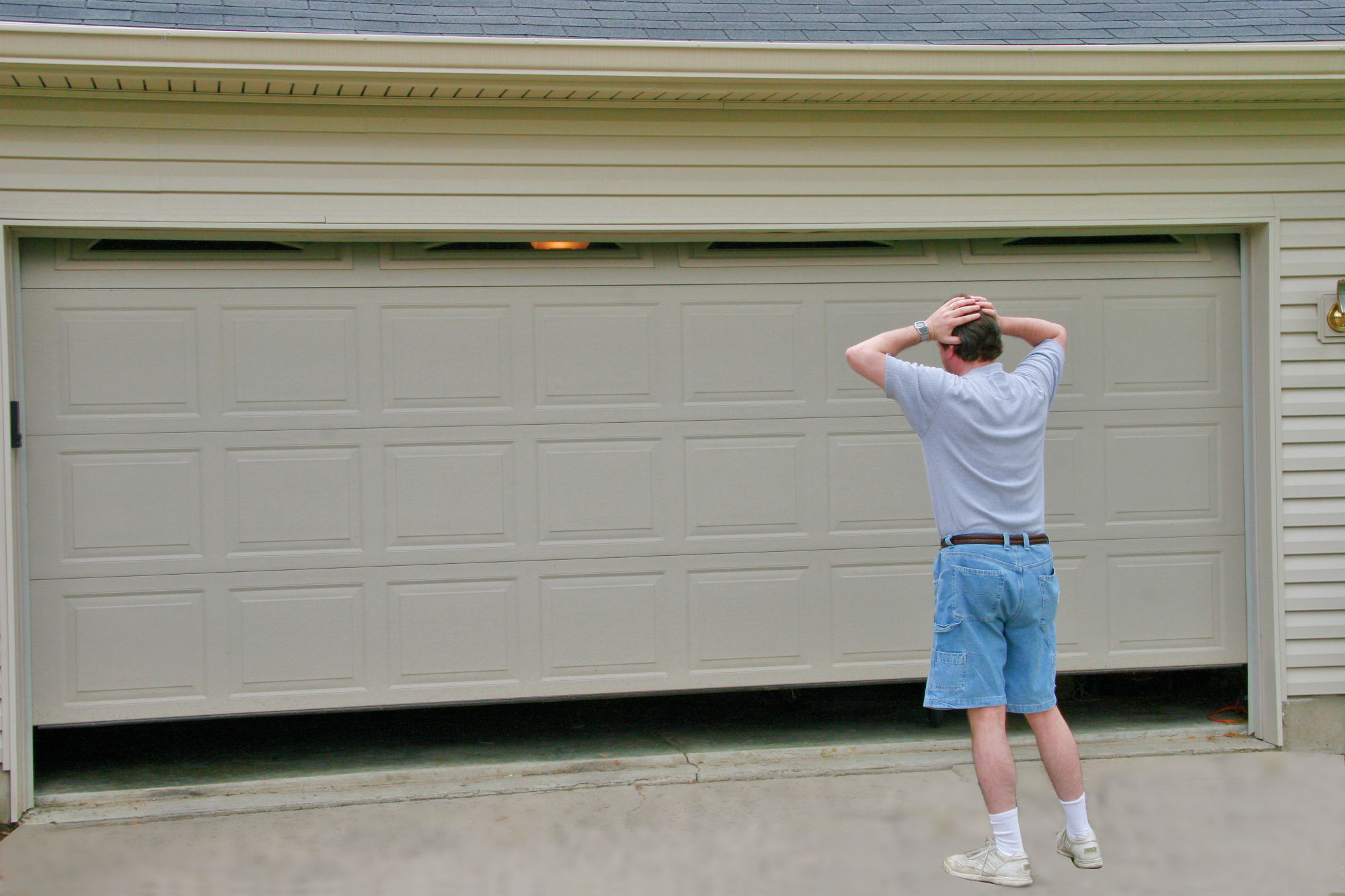
A garage door opener makes daily life easier by allowing you to open and close the door without lifting it manually. But when the motor starts struggling, the door may move slowly, stop unexpectedly, make unusual noises, or stop responding altogether.
These problems can be frustrating, especially when your garage is the main entrance to your home. However, not every opener problem means the motor has failed. Remote control issues, blocked safety sensors, damaged wiring, and mechanical problems with the door can produce similar symptoms.
Understanding the difference can help you avoid unnecessary repairs and recognize when professional service is needed.
Here are seven common signs of garage door motor trouble, what may cause them, and how to decide whether repair or motor replacement is the better option.
1. The Garage Door Motor Runs, but the Door Does Not Move
One of the most confusing problems occurs when you hear the opener running but the garage door remains stationary. The motor may produce a humming or running sound without successfully moving the door.
This does not automatically mean the motor needs replacement. The problem may involve another part of the opener or the door’s lifting system.
What could cause this problem?
Possible causes include:
- Worn or damaged internal opener gears
- A disconnected trolley or drive mechanism
- A damaged chain, belt, or screw drive component
- A mechanical problem preventing the door from moving
- A motor that can no longer produce sufficient operating force
The exact cause depends on the opener’s design and the condition of its components.
What should you do?
First, check whether the opener’s power supply is working and whether any visible obstruction is preventing normal operation. You can also consult the manufacturer’s instructions to understand the opener’s indicators and troubleshooting steps.
Do not repeatedly activate a motor that runs without moving the door. Continued operation may worsen the damage.
If the problem persists, have a technician inspect the opener and garage door system. Replacing the motor without checking the drive mechanism and door balance could leave the original problem unresolved.
2. The Motor Makes Grinding, Clicking, or Humming Noises
Some sound is normal when a garage door opens and closes. However, a sudden change in the motor’s sound may indicate that a component is wearing out or struggling to operate.
Pay attention to noises that are new, unusually loud, or becoming more frequent.
Understanding different sounds
Grinding noises: These may indicate worn gears, a damaged drive component, or mechanical resistance.
Repeated clicking: This may relate to electrical controls, a relay, a safety feature, or another component that is not operating correctly.
A humming motor: The motor may be receiving power but struggling to start. A mechanical obstruction or an electrical fault could be responsible.
Loud rattling: Loose hardware or a problem elsewhere in the garage door system may be contributing to the sound.
These are possible explanations rather than definitive diagnoses. The location of the noise and the way the door behaves provide important clues.
How should you respond?
Avoid opening the motor housing or attempting electrical repairs yourself. If the noise is accompanied by smoke, a burning smell, or visible electrical damage, stop using the opener and seek appropriate professional assistance.
If the sound develops gradually, arrange an inspection before the opener stops working completely. Identifying a worn component early may help prevent additional damage.
3. The Garage Door Opens Slowly or Struggles to Close
A garage door that once operated smoothly but now moves slowly may be experiencing increased resistance or an opener problem.
You might notice that the door hesitates, moves unevenly, or appears to struggle during part of its travel. In some cases, the motor may sound louder than usual as it attempts to move the door.
Why does this happen?
Several issues can affect the door’s movement:
- A door that is out of balance
- Worn rollers or other moving hardware
- Track alignment problems
- Excessive friction in the door system
- An opener motor or drive mechanism that is wearing out
- Settings or operating conditions that require professional adjustment
It is important to remember that the motor is only one part of the system. A properly functioning opener can struggle if the door itself is difficult to move.
What can you check safely?
Look at the door from a safe distance while it operates, provided there are no signs of immediate danger. Notice whether it moves unevenly, stops at the same point, or makes unusual sounds.
Keep the tracks and the area around the door free of obvious obstructions. Do not loosen springs, cables, brackets, or other loaded hardware.
If the door is visibly crooked, unusually heavy, or moving unpredictably, stop using it and contact a professional.
A technician can assess whether the problem involves the motor, door balance, tracks, rollers, or another component before recommending a repair.
4. The Opener Works Intermittently
An unreliable garage door opener can be more frustrating than one that has stopped working completely. It may respond to the remote in the morning but fail later, or it may work only after several attempts.
Intermittent operation can have several causes, and replacing the motor immediately may not solve the problem.
Common possibilities
- Weak remote control batteries
- Signal interference
- Loose or damaged wiring
- Problems with the wall control
- Safety sensor issues
- An overheating opener
- An electrical or control-board fault
- A motor or drive component beginning to fail
For example, if the wall button operates the door but the remote does not, the remote, receiver, or signal path may deserve attention before the motor itself.
If the opener stops working after repeated use and resumes after cooling, overheating or another internal problem may be involved. A professional should investigate repeated shutdowns rather than allowing the unit to continue cycling.
Practical troubleshooting steps
Start with the simple checks recommended in your opener’s manual. Replace remote batteries if needed, confirm that the opener has power, and inspect the accessible safety sensors for obvious obstruction or misalignment.
Do not bypass safety features to force the door to operate.
If the opener continues to work inconsistently after these checks, arrange professional diagnosis. Identifying the source of the interruption can help determine whether the system needs a minor repair, a replacement component, or a new motor or opener assembly.
5. The Garage Door Reverses Before Closing
A garage door that starts closing and then reverses may appear to have a motor problem. In reality, this behavior can be triggered by the safety system or by resistance during the door’s movement.
Modern garage door openers use safety features intended to reduce the risk of injury or damage. When these features detect a problem, the door may stop or reverse.
What might be causing it?
Potential causes include:
- An obstruction in the door’s path
- Misaligned or blocked photoelectric safety sensors
- Incorrect travel or force settings
- A door that binds against the track
- Mechanical resistance from damaged hardware
- A problem with the opener’s control system
If the door reverses at the same point every time, that pattern may help a technician identify where the problem occurs.
What should you do?
Check the floor and the door’s path for objects that could interfere with closing. Inspect the visible sensor lenses for dirt or an obvious obstruction, and consult the manufacturer’s instructions for any approved cleaning or alignment checks.
Never bypass the sensors or adjust force settings simply to make the door close.
If the door continues reversing after basic checks, have the system inspected. The cause may be unrelated to the motor, and the safety features should remain operational throughout the troubleshooting process.
6. The Motor Becomes Unusually Hot or Stops During Operation
Garage door openers can generate heat during normal use, but repeated overheating, unexpected shutdowns, or a burning smell should not be ignored.
An opener may stop working because a protective mechanism has activated, the motor is struggling, or an electrical component has developed a fault.
Possible warning signs
Watch for:
- The opener stopping after repeated cycles
- A motor housing that becomes unusually hot
- A burning or electrical smell
- Smoke or visible signs of damage
- Repeated shutdowns followed by temporary recovery
The cause may involve the motor itself, inadequate ventilation, excessive mechanical resistance, electrical faults, or another internal component.
What is the safest response?
If you notice smoke, a burning smell, or other signs of an electrical hazard, stop using the opener. If there is an active fire or immediate danger, leave the area and contact emergency services.
Do not remove the motor cover or touch internal electrical components. Allowing the opener to cool may not solve the underlying issue, even if it begins working again afterward.
A qualified technician can determine whether the motor is failing, another component is overheating, or the door system is placing excessive strain on the opener.
Repeated overheating should be investigated before further use.
7. The Opener Is Old and Requires Frequent Repairs
A garage door opener may continue working for years, but its components experience wear with regular use. Eventually, repair costs and reliability may become concerns.
An older opener that repeatedly stops working, struggles with the door, or requires frequent service may be approaching the point where replacement is worth considering.
Signs replacement may make sense
- Several repairs have been needed within a short period.
- The motor or drive system repeatedly fails.
- Replacement parts are difficult to obtain.
- The opener lacks safety or access features you need.
- Repair costs are becoming difficult to justify.
- The system no longer operates reliably with your garage door.
Age alone does not determine whether an opener should be replaced. Its condition, usage, repair history, available parts, and compatibility with the door all matter.
Repair or replacement?
A minor issue involving a remote, sensor, or accessible control component may be inexpensive to resolve. A damaged internal gear or other replaceable part may also be repairable, depending on the opener.
If the motor has failed or the unit has multiple worn components, replacing the opener may be a more practical long-term decision.
Ask a technician to explain the cause of the failure, the available repair options, and the expected benefits of replacement. Comparing the condition of the existing unit with the cost of a new system can help you make an informed choice.
Garage Door Motor Repair vs. Replacement: How to Decide
When an opener stops working, it is tempting to assume that the entire unit needs replacing. However, the right decision depends on the actual fault.
| Situation | Possible next step |
|---|---|
| Remote control stops responding | Check batteries and troubleshoot the remote or receiver |
| Safety sensors prevent closing | Inspect for obstruction and arrange sensor service if needed |
| Worn or damaged drive component | Evaluate whether the component can be repaired or replaced |
| Motor repeatedly overheats | Stop using it if overheating is abnormal and arrange an inspection |
| Internal motor failure | Compare motor or opener replacement options |
| Several recurring failures | Evaluate the cost and reliability of a complete opener replacement |
This table provides general guidance, not a diagnosis. Different opener designs have different repair options, and some components are integrated into a single assembly.
Consider the complete system
Before approving motor replacement, ask whether the garage door itself is operating correctly. A door that is difficult to move can put additional strain on an otherwise functional opener.
The technician should also consider the door’s weight, the opener’s specifications, the drive system, and any relevant safety requirements.
Check compatibility
If you need a replacement opener, make sure the selected unit is suitable for your door and intended use. Door size, weight, operating frequency, available power, and installation requirements can affect the choice.
The replacement should also include properly functioning safety features and compatible controls.
Choosing an opener based only on price or motor power may lead to an unsuitable installation.
How to Reduce Wear on Your Garage Door Opener
Although no maintenance routine can prevent every failure, a few habits can help you notice problems early and reduce avoidable strain on the system.
Pay attention to changes in operation
Notice when the door becomes louder, slower, or less reliable. Early changes can provide useful clues before the system stops working completely.
Keep the operating area clear
Remove objects from the door’s path and keep the area around accessible safety sensors free from obstructions.
Follow the manufacturer’s maintenance guidance
Use the maintenance schedule and instructions provided for your specific opener and door system. Not every component should be lubricated, adjusted, or serviced in the same way.
Avoid unnecessary repeated cycles
If the opener is struggling, making unusual noises, or failing to move the door, do not keep activating it in the hope that it will work.
Repeated operation may worsen an existing fault.
Schedule professional inspections
A professional can inspect the opener and related door components, identify visible wear, and determine whether an adjustment or repair is needed.
Garage door springs and cables operate under significant tension. Do not attempt to repair or adjust these components yourself.
Frequently Asked Questions
1. How do I know if my garage door motor is failing?
Common signs include unusual motor noises, slow operation, repeated shutdowns, intermittent response, and a motor that runs without moving the door. These symptoms can also result from other components, so a professional diagnosis is needed to confirm the cause.
2. Can a garage door opener motor be repaired?
Sometimes. The available options depend on the opener’s design and the specific fault. A worn gear or another replaceable component may be repairable, while a failed motor or extensively damaged unit may be better suited to replacement.
3. Why does my garage door opener hum but not open the door?
Possible causes include damaged internal gears, a disconnected drive mechanism, a mechanical obstruction, or a motor fault. Avoid repeatedly activating the opener and arrange an inspection to determine which component has failed.
4. How long does garage door motor replacement take?
The time required depends on the opener design, the condition of the existing installation, compatibility, and whether other repairs are necessary. A technician can provide a more reliable estimate after assessing the system.
5. Should I replace the entire opener if the motor fails?
Not always. Some systems allow a motor or individual component to be replaced, while others make complete opener replacement more practical. Consider the repair cost, availability of parts, age and condition of the unit, and the suitability of a replacement system.
Conclusion
Garage door motor problems often begin with small changes, such as unusual noises, slow movement, intermittent operation, or unexpected shutdowns. Recognizing these signs can help you respond before a minor issue develops into a more disruptive failure.
However, the motor is only one part of the garage door system. Sensors, controls, drive components, tracks, and door balance can also affect performance. Identifying the actual cause is essential before deciding whether repair or replacement is appropriate.
If your garage door opener is struggling or no longer operating reliably, Garage Door Repair Kings provides garage door motor replacement and related services in McLoud, Oklahoma, and surrounding areas.