
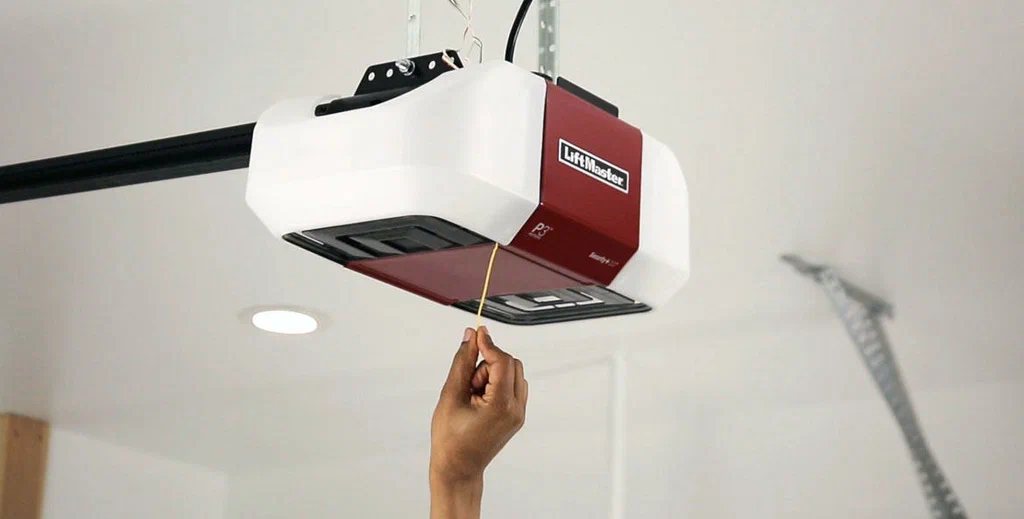
A garage door opener is one of those parts of the home that gets used dozens of times a month without a second thought — until it starts acting up. The tricky part is that most openers don’t fail all at once. They give off warning signs for weeks or even months before they stop working completely, and catching those signs early can mean the difference between a simple fix and an unexpected breakdown at the worst possible time. Here are seven signs it might be time to replace yours.
1. The Door Responds Slowly or Inconsistently
If your garage door hesitates before opening, stalls partway through its cycle, or sometimes doesn’t respond to the remote at all, that’s often an early sign the opener’s motor is wearing down. Occasional hiccups can be caused by simple things like weak remote batteries, but a pattern of inconsistent response — especially if it’s getting more frequent — usually points to a motor or circuit board that’s nearing the end of its life.
2. Unusual Grinding, Screeching, or Rattling Sounds
Garage door openers should run smoothly and relatively quietly during normal operation. Grinding, screeching, or rattling noises are a sign that internal gears may be worn, the drive mechanism is struggling, or components are no longer properly lubricated. While some noise issues can be resolved with maintenance, persistent grinding is often a sign of mechanical wear that maintenance alone won’t fix.
3. The Opener Struggles With Weight It Used to Handle Easily
Over time, a motor that’s losing power may start to struggle lifting a door it used to open effortlessly. If you notice the door moving more slowly than it used to, or the opener seems to be working harder — with more noise or vibration — during a normal lift, that’s a sign the motor’s output is declining. This is especially common in openers that are 10-15 years old or older.
4. Frequent Remote or Keypad Failures
If you find yourself repeatedly reprogramming the remote, replacing batteries more often than seems normal, or dealing with a keypad that intermittently stops recognizing the correct code, the issue may not be the remote itself — it could be the opener’s receiver losing reliability. When these issues become a recurring hassle rather than an occasional inconvenience, it’s worth having a technician evaluate whether the unit is failing.
5. The Door Reverses Unexpectedly
Modern garage door openers include a safety reversal feature that stops and reverses the door if it senses an obstruction. But if your door reverses randomly, with nothing in its path, that’s a sign something in the safety sensor system or the opener’s logic board isn’t functioning correctly. This isn’t just an inconvenience — it’s a safety issue that shouldn’t be ignored, since it may mean the safety system isn’t reliable when you actually need it.
6. Visible Wear, Rust, or Damage to Internal Components
If you’ve had a chance to look at the opener unit itself — the motor housing, the drive rail, or the chain or belt — visible rust, fraying, or cracking are signs of age-related wear that often can’t be fully addressed with a simple repair. Openers exposed to humidity or temperature swings, which is common in many garages, tend to show this kind of wear sooner than climate-controlled spaces would suggest.
7. The Opener Is Simply Old
Most garage door openers are built to last 10 to 15 years with regular use and reasonable maintenance. If yours is approaching or past that range, even if it’s still technically working, it’s worth having it evaluated. Older openers often lack modern safety features, rolling-code security (which protects against signal theft), and battery backup options that newer models include standard — meaning a replacement isn’t just about avoiding failure, it can also mean a meaningful upgrade in safety and convenience.
Repair or Replace? How to Decide
Not every issue on this list means you need a brand-new opener. Sometimes a struggling opener just needs new gears, a sensor realignment, or a worn belt replaced. The deciding factors usually come down to the age of the unit, how many of these signs are present at once, and whether the cost of repeated repairs is starting to approach the cost of a new unit. A professional inspection is the most reliable way to get a clear answer, since diagnosing motor and circuit issues accurately takes more than a visual check.
Comparison: Signs That Suggest Repair vs. Replacement
| Sign | Often Fixable With Repair | Usually Points to Replacement |
|---|---|---|
| Slow or inconsistent response | ✓ (sensor/battery issue) | ✓ (if motor-related and worsening) |
| Grinding or screeching noise | ✓ (lubrication, gear repair) | ✓ (if persistent after maintenance) |
| Struggling to lift the door | ✗ | ✓ (motor losing power) |
| Frequent remote/keypad failure | ✓ (reprogramming, receiver repair) | ✓ (if receiver itself is failing) |
| Unexpected reversing | ✓ (sensor realignment) | ✓ (if logic board is at fault) |
| Visible rust or component wear | ✗ | ✓ |
| Unit older than 10-15 years | ✗ | ✓ |
Why Professional Diagnosis Matters
Garage door openers combine mechanical, electrical, and safety systems, and diagnosing exactly which part is failing isn’t always obvious from the outside. A technician can test the motor’s output, check the safety reversal system, inspect the circuit board, and determine whether a targeted repair will genuinely solve the problem or whether it’s a temporary fix on a unit that’s close to full failure. This matters especially for the safety reversal feature, since a malfunctioning one poses a real risk to children, pets, and vehicles.
Frequently Asked Questions
1. How much does garage door opener replacement typically cost?
Cost varies based on motor type, horsepower, and features like battery backup or smart connectivity. A technician can provide an accurate quote after inspecting your current setup and discussing your needs.
2. Can I replace just the motor without replacing the whole opener system?
In some cases, yes, but it depends on the age and compatibility of the existing rail and components. A professional assessment will determine whether a motor swap or full replacement makes more sense.
3. How long does opener replacement take?
Most opener replacements are completed in a few hours, including removal of the old unit, installation, and testing of the safety features.
4. Are newer garage door openers actually safer?
Yes. Modern openers typically include improved safety reversal sensors, rolling-code security to prevent signal theft, and battery backup so the door still operates during a power outage.
5. Is it worth repairing an opener that’s over 15 years old?
Usually not, especially if multiple warning signs are present. At that age, replacement often makes more financial sense than continuing to repair an aging system, and it comes with meaningful safety upgrades.
Conclusion
A garage door opener rarely fails without warning — the signs are usually there weeks or months ahead of time, from unusual noises to inconsistent performance to visible wear. Catching these early, especially through professional motor replacement service, helps avoid an inconvenient full breakdown and often improves the safety and reliability of your entire garage door system. Homeowners throughout Oklahoma City rely on prompt diagnosis to catch these issues before they turn into bigger problems. Garage Door Repair Kings — contact us today for a free inspection and honest guidance on repair vs. replacement for your garage door opener.