
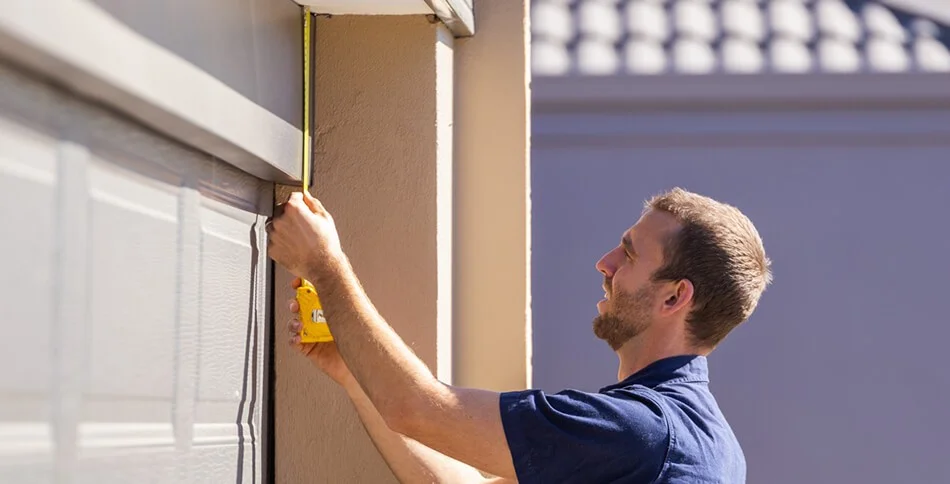
A garage door works quietly in the background of daily life, opening and closing dozens of times a month without much thought, until one day it doesn’t. Most homeowners only think about garage door maintenance after something’s already gone wrong: a spring that snaps, a door that suddenly stops mid-cycle, or an opener that starts making a noise it never made before. The frustrating part is that most of those failures don’t happen out of nowhere. They’re usually the end result of wear that regular maintenance would have caught months earlier.
This guide covers what garage door maintenance actually involves, how often it should realistically happen, and why skipping it tends to cost more in the long run than the maintenance itself. For a closer look at how this service works in practice, this comprehensive garage door maintenance service breaks down what’s included, but here’s what every homeowner should understand first.
What Garage Door Maintenance Actually Involves
Garage door maintenance is a scheduled inspection and servicing of all the mechanical and electrical components that make up the door system, including springs, cables, rollers, hinges, tracks, and the opener itself. This is different from a repair, which addresses a component that’s already failed. Maintenance is about catching wear before it becomes failure.
A thorough maintenance visit typically includes lubricating moving parts to reduce friction and noise, tightening loose hardware, checking and adjusting spring tension, inspecting cables and rollers for wear, testing safety sensors, and confirming the opener system is functioning correctly. Every part of the system gets evaluated, not just the parts that are obviously making noise or showing visible wear.
Why Regular Maintenance Matters More Than It Seems
A garage door is one of the largest moving mechanical systems in most homes, cycling open and closed daily under significant tension from springs and cables. That constant motion means components wear down gradually, and most of that wear isn’t obvious until it’s advanced enough to cause a noticeable problem.
Springs lose tension over time. Rollers wear down and can eventually cause a door to run off track. Cables fray gradually before they snap. Hinges loosen. None of these issues typically show up as a sudden, obvious problem until they’ve been developing quietly for months. Regular maintenance catches these signs of wear while they’re still minor, inexpensive fixes, rather than waiting until they turn into a spring failure, a door off its track, or an opener that stops responding entirely.
Garage Door Maintenance Myths vs. Reality
Because garage doors seem to work fine right up until they don’t, a lot of assumptions circulate that don’t hold up once you understand how the components actually wear over time.
| Myth | Reality |
|---|---|
| “If the door opens and closes smoothly, it doesn’t need maintenance.” | A door can appear to function normally while springs, cables, or rollers are quietly wearing down toward failure. Smooth operation doesn’t rule out developing issues. |
| “Garage door maintenance is basically just lubricating the moving parts.” | A thorough maintenance visit includes spring tension checks, hardware tightening, safety sensor testing, and opener verification, not just lubrication. |
| “Annual maintenance is unnecessary if nothing seems wrong.” | Many components wear gradually and predictably, which is exactly why scheduled maintenance catches issues before they become visible problems. |
| “DIY maintenance is just as effective as professional service.” | Spring tension adjustment and certain safety checks require specific expertise, since incorrect handling of a garage door spring system carries real safety risk. |
| “Newer garage doors don’t need maintenance for the first several years.” | Even new systems benefit from early maintenance checks, since improper initial installation or settling components can create issues well before a door reaches its expected midlife. |
| “Maintenance costs more than it saves over time.” | Routine maintenance is typically far less expensive than the repairs that result from an undetected spring failure, off-track door, or opener malfunction. |
What Gets Checked During a Maintenance Visit
Understanding what a proper maintenance visit actually covers helps set expectations for what should be included, rather than a quick lubrication pass that skips the components that matter most.
Spring tension — Springs bear the full weight of the door and lose tension gradually over time, which affects both smooth operation and safety.
Cables and rollers — These components show wear through fraying, kinking, or flattening, all of which affect how smoothly and safely the door moves along its track.
Track alignment — Tracks can shift slightly over time, particularly in older homes, and misalignment contributes to a door running roughly or eventually derailing.
Hardware and fasteners — Bolts, hinges, and brackets loosen gradually from the constant motion and vibration of daily use.
Safety sensors — These sensors are critical for preventing the door from closing on an obstruction, and confirming they’re functioning correctly is a core part of any thorough maintenance visit.
Opener system — The opener’s mechanical and electrical components get tested to confirm consistent, reliable performance.
How Often Garage Door Maintenance Should Actually Happen
The right maintenance frequency depends on how much the door is used and the age of the system, but a general guideline holds for most residential doors. An annual maintenance visit is typically sufficient for a door in good condition with normal daily use, catching developing wear before it becomes a bigger issue.
Doors used more frequently, such as in households with multiple daily openings, or doors that are already showing early signs of wear like noise or slight resistance during operation, benefit from more frequent checks. Older doors, particularly those that have never had a maintenance visit, benefit from an initial thorough inspection to establish a baseline and catch any developing issues before they become failures.
Questions Worth Asking Before Scheduling Maintenance
A few direct questions upfront help ensure the maintenance visit actually covers what matters, rather than a surface-level check:
- Does the maintenance visit include spring tension assessment, not just lubrication?
- Are safety sensors tested as part of the standard visit?
- What specific components get inspected, and is there a written summary of findings afterward?
- How does maintenance frequency change based on the age and usage pattern of this specific door?
A technician who answers these with specifics about what’s included, rather than a vague description of “checking everything,” is usually the one delivering a maintenance visit that’s actually thorough.
Frequently Asked Questions
How often should a garage door get professional maintenance? Most residential doors benefit from an annual maintenance visit, though doors with heavy daily use or those showing early signs of wear may benefit from more frequent checks.
Can I do garage door maintenance myself? Some basic tasks, like visual inspection and light lubrication, can be done by homeowners, but spring tension adjustment and certain safety checks carry real risk and are best handled by a professional.
What are the signs my garage door needs maintenance sooner than scheduled? Unusual noises, slight resistance during operation, visible wear on cables or rollers, or a door that seems slower or less smooth than usual are all signs worth addressing before the next scheduled visit.
Does garage door maintenance actually prevent expensive repairs? Yes, in most cases. Catching worn components like fraying cables or declining spring tension during a routine visit is significantly less costly than dealing with a full failure of those same components later.
Is maintenance necessary for a newer garage door? Yes, even newer systems benefit from early maintenance checks, since components can settle or show installation-related issues before the door reaches the age where major wear would typically be expected.
Staying Ahead of the Next Breakdown
Garage door maintenance is one of those investments that only shows its value in what it prevents, a spring failure, an off-track door, or an opener that stops working without warning. The homeowners who avoid those unexpected breakdowns are almost always the ones who kept up with regular maintenance rather than waiting for a visible problem to force the issue.
If it’s been a while since your garage door had a proper inspection, or you’re noticing early signs of wear, it’s worth scheduling a maintenance visit before a minor issue turns into an unexpected failure. Garage Door Repair Kings has helped homeowners stay ahead of exactly these kinds of breakdowns with thorough, scheduled maintenance service.